
Alexandria Revisited: Exploring the Historical Sites of Egypt’s Mediterranean Jewel
Founded in 331 BCE by Alexander the Great, Alexandria rapidly developed into a hub of Hellenistic knowledge and culture. Additionally, its strategic location on the Mediterranean coast not only made it a vital port city but also a tapestry of the Roman, Greek, and Egyptian cultures.
These diverse influences are evident in the city’s archaeological sites and iconic landmarks, such as the famed Library of Alexandria.
This article will take you on a journey through time, uncovering Alexandria historical sites that stand as silent witnesses to its rich history.
Alexandria Historical Sites: Lighthouse of Pharos & Qaitbay Citadel
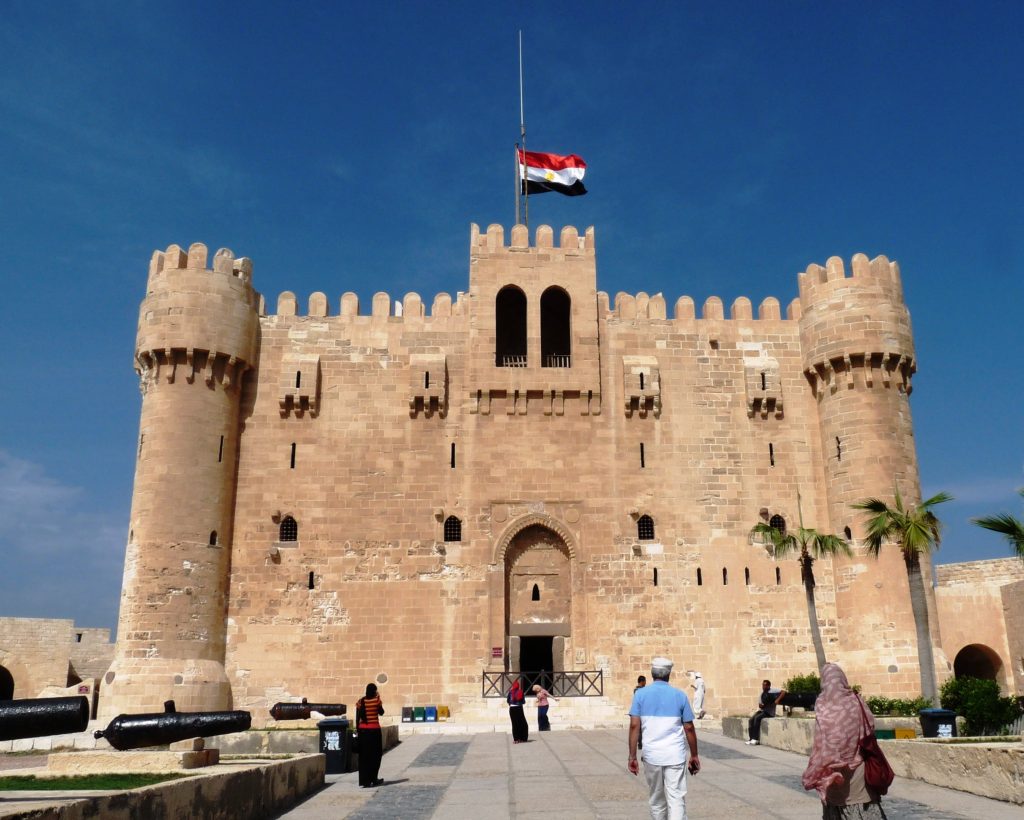
The Lighthouse of Pharos played a significant role in ancient navigation and trade. Even though the original wonder is demolished, its importance in guiding the mariners can never be overlooked.
Furthermore, the fort of Qaitbay, built on the lighthouse’s foundations, offers a glimpse into the city’s military tactics over the years.
- Best Time to Visit: Evening (October to April).
- Must-Do Activities: Dive the underwater ruins, visit the Maritime Museum, walk on the island, take a Pharos-themed cruise
- Foodie Recommendations: Seafood near Qaitbay Citadel with harbor views.
- Estimated Visit Time: 2-4 hours.
The Serapeum and Pompey's Pillar: Echoes of Divinity
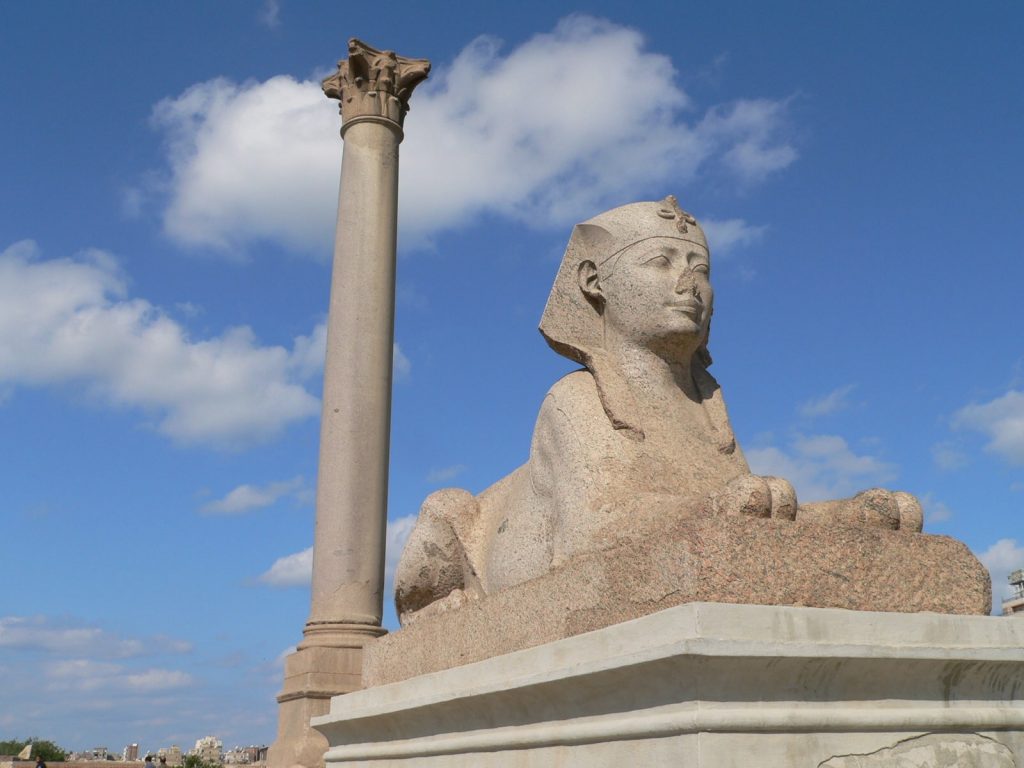
Prominent examples of Alexandria’s religious and cultural integration include the towering Pompey’s Pillar (a victory column) and the Serapeum (a devotion to the Serapis deity from Greece and Egypt).
These 2 sites offer insights into the religious practices and architectural advancements of their eras.
- Best Time to Visit: October to April for milder weather.
- Must-Do Activities: Visit the Serapeum’s ruins, see the impressive 27-meter-tall Pompey’s Pillar, admire the surrounding Roman theater and baths.
- Foodie Recommendations: Try local Egyptian cuisine in the nearby Al-Anfushi district.
- Estimated Visit Time: 1-2 hours.
The Catacombs of Kom el Shoqafa: A Subterranean World
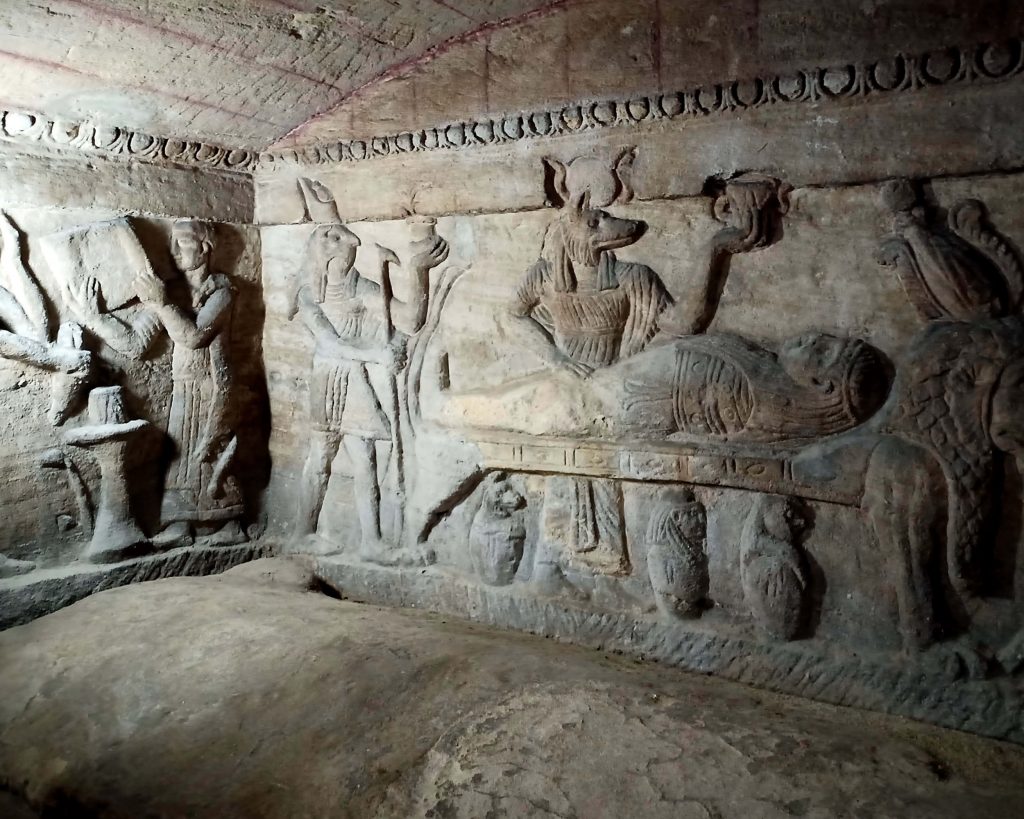
The Catacombs of Kom el Shoqafa, a masterpiece of ancient world engineering, represent the fusion of Roman, Greek, and Egyptian burial traditions.
This underground network of tombs is intricately designed. Also, its serene courtyard invites visitors to reflect on the afterlife.
- Best Time to Visit: Any time, but cooler months are more comfortable.
- Must-Do Activities: Notice the 3-tiered catacombs with their carvings and niches, learn about ancient Egyptian funerary practices.
- Foodie Recommendations: Enjoy street food.
- Estimated Visit Time: 1-2 hours.
The Royal Jewelry Museum: A Treasure Trove of Opulence
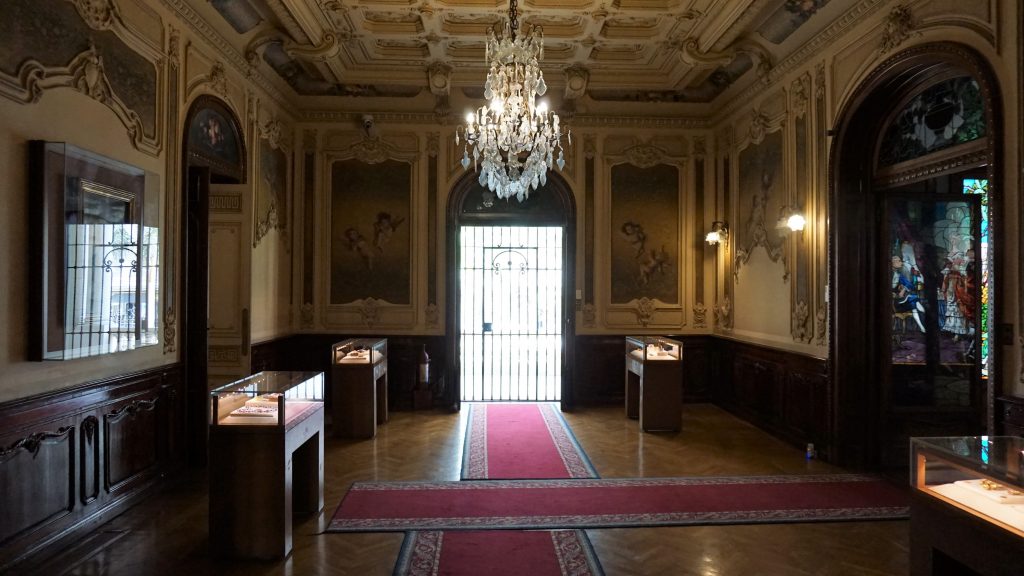
Once a royal palace, the Royal Jewelry Museum dazzles visitors with its versatile jewels and artifacts from the Muhammad Ali period. Each item tells a story of luxury as well as power, offering a window into the country’s modern history.
- Best Time to Visit: Any time, but avoid peak tourist hours for a calmer experience.
- Must-Do Activities: Marvel at the stunning collection of old Egyptian jewelry, including gold, gemstones, and intricate craftsmanship.
- Foodie Recommendations: Treat yourself to fine dining at a nearby restaurant with Nile views.
- Estimated Visit Time: 1-2 hours.
Bibliotheca Alexandrina: A Modern Homage to Ancient Wisdom
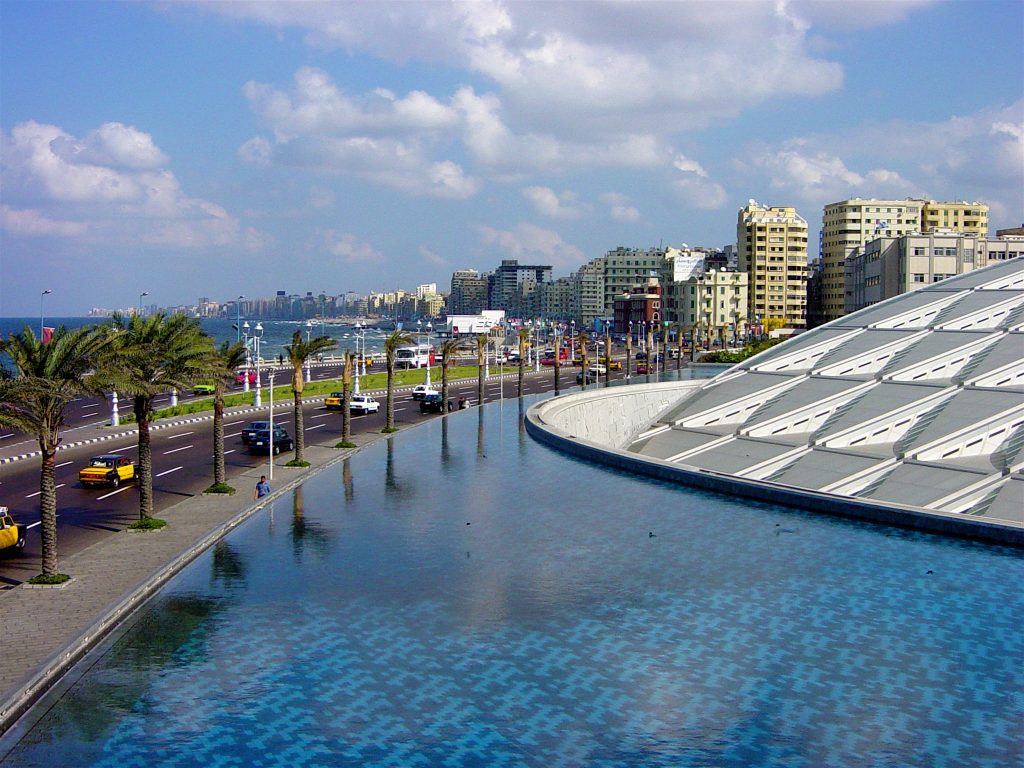
The Bibliotheca Alexandrina, a contemporary revival of the ancient library, is a symbol of knowledge and cultural exchange.
Beyond its vast collection of books and manuscripts, the library’s architecture, museums, and art galleries are incredibly fascinating. They pay homage to Alexandria’s enduring legacy as a center of learning and dialogue among civilizations.
- Best Time to Visit: Any time, but consider opening hours for exhibitions and events.
- Must-Do Activities: Observe the stunning architecture, visit the main reading room, see the exhibition on the history of the library, attend a lecture/ event.
- Foodie Recommendations: Enjoy the library’s cafeteria, sit at a cafe or restaurant in the nearby Corniche area.
- Estimated Visit Time: 2-4 hours, depending on your interest in exhibitions and events.
Alexandria, Egypt’s Mediterranean jewel, is a testament to human creativity, resilience, and the quest for knowledge. Alexandria historical sites, from ancient wonders to modern tributes, invite travelers to explore the depths of history and cultural exchange.
Along with revealing Alexandria’s past, this trip lets us connect with the never-ending spirit of exploration and discovery within us.
Get ready to embark on a fulfilling journey on so many levels.
After Alexandria, you may want to expand your trip to the capital, Cairo. Learn more about Cairo’s top tourist attractions as you plan.
Happy travels!